Eco-Conscious Fencing: Sustainable Options for the Environmentally Aware Homeowner
Environmentally conscious fencing offers an ideal solution for property owners committed to green practices. This solution not only boosts property value but also reduces ecological harm. Multiple choices, including bamboo and recycled plastic, provide longevity and visual attractiveness. Understanding the benefits and materials involved is essential for making informed decisions. As property owners investigate these eco-friendly options, they may uncover surprising benefits that reach beyond simple visual appeal. What further considerations merit reflection in this increasingly popular shift?
The Reasons to Opt for Sustainable Fencing
While many homeowners prioritize appearance and strength in their fencing choices, the ecological consequences of construction materials is frequently ignored. Green fencing solutions provide an opportunity to reduce ecological footprints while defining property borders. By choosing sustainably sourced materials, homeowners can contribute to the conservation of forests and ecosystems. This decision reduces reliance on non-renewable resources, which are frequently associated with harmful extraction processes.
Moreover, green fencing solutions can encourage biodiversity by supplying essential habitats for surrounding wildlife. Fences made from recycled materials or sustainably harvested wood can also reduce waste in landfills. Opting for eco-friendly alternatives commonly yields lasting economic rewards, as these eco-friendly options generally need less care and boast greater longevity. At its core, opting for sustainable fencing signifies a pledge to environmental care, empowering residents to develop gorgeous outdoor settings while preserving the well-being of the earth.
Common Sustainable Fence Choices
When considering sustainable fencing solutions, bamboo and recycled plastic rank among the most sought-after alternatives. Bamboo presents an eco-conscious and attractive choice, while recycled plastic delivers long-lasting performance with minimal upkeep. Both options contribute to environmental conservation without sacrificing functionality or style.
Benefits of Bamboo Fencing
Bamboo fencing offers numerous benefits that make it a popular choice among eco-conscious homeowners. Most notably, bamboo is a fast-renewing resource that matures significantly quicker than standard timber, which aids in curbing deforestation. Its innate strength and long-lasting nature form a solid barrier that holds up well against diverse weather conditions. Furthermore, bamboo fencing is light in weight and straightforward to install, making it an ideal choice for DIY enthusiasts. The visual charm of bamboo introduces a distinctive, organic appearance to any property, integrating naturally with outdoor surroundings. Moreover, bamboo has natural pest-repellent properties, reducing the need for chemical treatments. By selecting bamboo, homeowners are able to elevate their outdoor living spaces while also supporting long-term environmental sustainability.
Recycled Plastic Choices
Recycled plastic fencing provides another innovative and sustainable option for sustainability-focused homeowners. Crafted from recycled post-consumer plastics, this fencing option helps divert materials from landfills while providing long-lasting durability with minimal upkeep. Resistant to rot, insects, and weather, recycled plastic fencing retains its aesthetic appeal for years, eliminating the need for frequent replacements. Available in various styles and colors, it is capable of replicating the look of natural wood while delivering superior long-term durability. Moreover, this sustainable fencing solution plays a role in minimizing carbon footprints, as the manufacturing process typically consumes less energy relative to conventional plastic production. Homeowners seeking sustainable solutions might view recycled plastic fencing as a functional and aesthetically pleasing selection for their outdoor spaces.
Green Fencing Materials: What You Need to Be Aware Of
As homeowners increasingly seek sustainable solutions, environmentally friendly fencing materials have become an essential factor in garden planning. These materials not only minimize environmental impact but also enhance the aesthetic appeal of outdoor spaces.
Bamboo stands out as a favored option, recognized for its quick regeneration and eco-friendly properties. Sustainably sourced treated wood, harvested from responsibly managed forests, provides long-lasting strength while helping to minimize deforestation. Eco-friendly recycled materials, like composite plastic alternatives, combine the benefits of traditional fencing with eco-conscious practices, offering enduring quality without compromising the health of the environment.
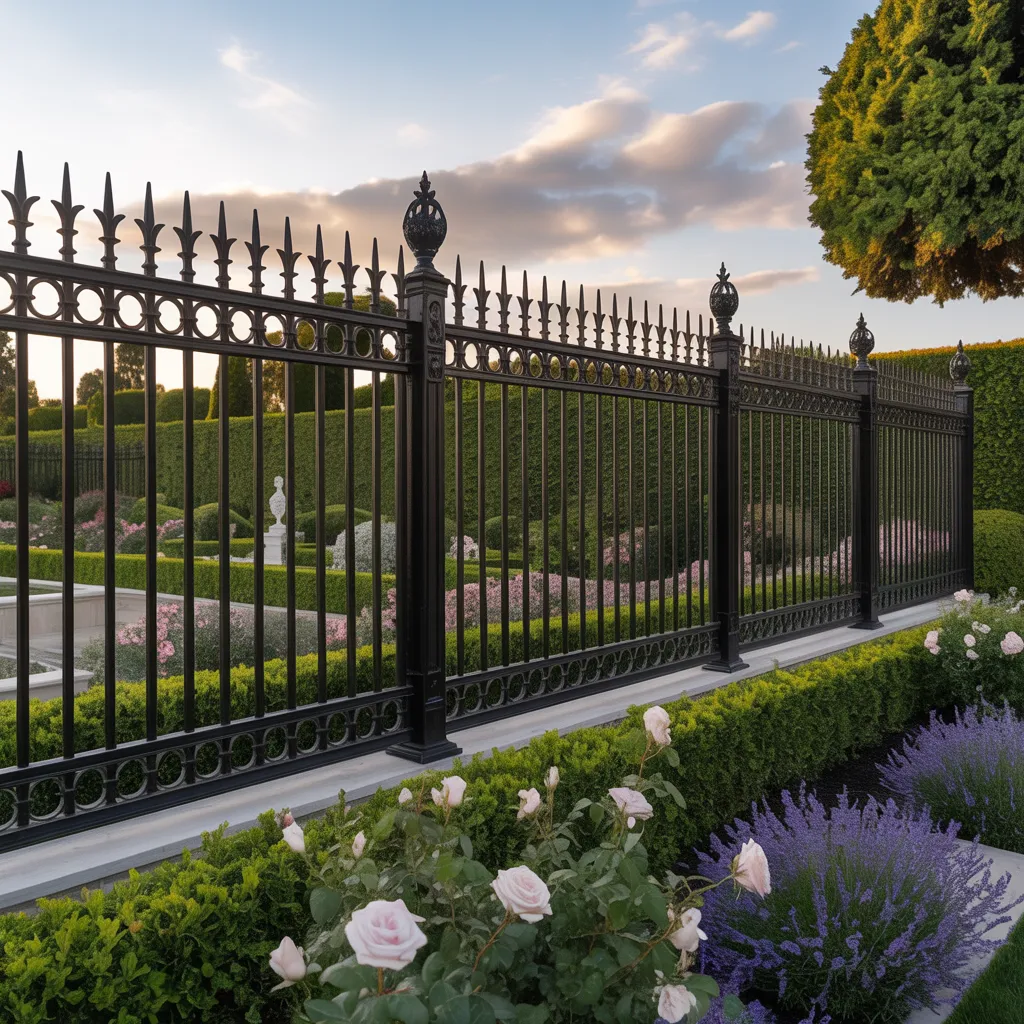
In addition, metal options like aluminum and steel are becoming more popular for their minimal maintenance requirements and recyclability. Natural stone and organic barriers, such as hedge rows, help enhance biodiversity.
When evaluating sustainable fencing, homeowners and buyers should consider elements like sustainability, longevity, and maintenance to confirm their choice corresponds to their eco-conscious objectives and personal tastes.
Implementing Eco-Friendly Fencing
Furthermore, establishing precise boundary lines prevents encroachment and guarantees alignment with local requirements. It may be necessary for homeowners to consult with their neighbors to foster a cooperative approach. Incorporating non-toxic adhesives and finishes throughout the installation process serves to further improve the environmental impact.
Additionally, considering the fence design can optimize curb appeal while decreasing resource use. For instance, picking pre-fabricated panels can lower construction waste. Lastly, engaging qualified installers well-versed in eco-friendly practices can assure that the project is completed in an efficient and sustainable manner. By applying these practices, homeowners can create a gorgeous, efficient, and sustainably minded fence.
Maintaining Your Eco-Friendly Fence
Although maintaining an eco-friendly fence may seem straightforward, it demands careful consideration to ensure its durability and environmental integrity. Periodic examinations ought to be carried out to spot any evidence of wear or damage, especially in organic materials such as wood. Cleaning the fence with biodegradable soaps can help prevent mold and mildew without harming the environment.
Additionally, applying natural preservatives, such as flaxseed oil, can enhance durability while upholding environmental friendliness. Property owners should also take note of surrounding plant life; overgrown foliage can result in damage and draw in pests. Cutting back foliage promotes adequate airflow and helps reduce moisture buildup.
Finally, when conducting repairs, incorporating recycled or sustainably sourced materials is consistent with eco-friendly principles. By putting time and effort into upkeep, homeowners can preserve their eco-friendly fences, ultimately fostering a sustainable lifestyle while improving the aesthetic appeal of their properties.
Budgeting for Eco-Friendly Fencing
When budgeting for eco-friendly fencing, material costs are a critical factor in the decision-making process. Homeowners must weigh the initial investment against the long-term savings potential these sustainable options can provide. Understanding both aspects can lead to more informed choices that benefit both the environment and the wallet.
Cost Considerations for Materials
How can homeowners effectively budget for eco-friendly fencing options while maintaining a balance between sustainability and cost? Homeowners ought to start by exploring various materials, like bamboo, recycled wood, or composite alternatives, each offering different price points. Gaining an understanding of local market prices is essential, as the availability of materials can greatly affect costs. Furthermore, installation costs should be taken into account, as certain materials may necessitate professional assistance, while others are well-suited for DIY projects. It is equally important to assess the longevity and upkeep costs of each option, as some sustainable materials may have higher upfront costs but lower upkeep. By weighing these considerations, homeowners can create a budget that reflects their environmental values without sacrificing financial viability.
Long-Term Savings Potential
Investing in eco-friendly fencing can lead to significant long-term savings that make it more attractive despite upfront expenses. Eco-conscious materials, including bamboo or recycled composites, typically demand less upkeep than conventional alternatives, decreasing long-term expenses. Moreover, most sustainable fences are engineered for longevity, cutting down on the need for periodic replacements. Power-saving features, such as solar-powered lighting built into fencing, can add to cost reductions by decreasing energy expenses. Homeowners may also benefit from increased property value, as eco-friendly features are increasingly sought after. Taking these elements into account, property owners can plan wisely for eco-friendly fencing options that safeguard the environment while delivering monetary advantages over time.

Common Questions and Answers
How Does Eco-Friendly Fencing Impact Local Wildlife?
Environmentally conscious fencing favorably influences local wildlife by creating natural environments, limiting exposure to harmful chemicals, and supporting ecological diversity. These sustainable materials frequently integrate naturally with the surrounding landscape, encouraging the presence of a wide range of species and strengthening overall ecosystem vitality.
Can Eco-Friendly Fences Withstand Harsh Weather Conditions?
Eco-friendly fences can withstand harsh weather conditions, depending on the type of materials selected. Several green fencing choices, including treated wood or composite materials, provide durability against wind, rain, and temperature in-depth guide fluctuations, ensuring longevity while minimizing environmental impact.
How Do Sustainable Fencing Materials Benefit Your Health?
Sustainable fencing options, typically containing no toxic substances, foster safer ecosystems. Such options decrease contact with harmful substances, enhance air quality, and frequently utilize recycled products, supporting comprehensive environmental health for both individuals and ecosystems.
Are Tax Incentives Available for Eco-Friendly Fencing Installation?
Indeed, numerous tax incentives are available for adding sustainable fencing solutions. Homeowners might be entitled to deductions or credits, depending on local regulations and programs aimed at promoting sustainable practices, consequently supporting environmentally responsible decisions in property improvements.
How Can I Responsibly Get Rid of Old Fencing Materials?
To dispose of old fencing materials in an eco-friendly manner, one should reach out to local waste management providers for recycling options, donate usable materials to community projects, or participate in bulk waste pickup programs for eco-conscious waste removal.